Musicians in 2026 often combine several income sources. Streaming provides a base, while fan support, songwriting royalties, shows and services add to it. This guide covers eight sources, streaming payout calculations and Russia’s tax framework, using official platform guidance, the Russian Federal Tax Service and collecting societies.
8 income sources for artists
Some sources can earn while you sleep: streaming, songwriting royalties and donations. Others take your time: shows, services and commissions. Sustainable income usually combines both.
 Streaming royaltiesYandex Music, VK Music, Spotify, Apple Music and dozens more platforms
 DonationsA Donate button on your Yandex Music profile through Yandex Tips
 ShowsLive performances, from intimate house shows to club tours
 ServicesBeats, mixing, session work, features and teaching
The order matters: once set up, the first four sources need relatively little ongoing time. For new artists, it often makes sense to establish them first, then add active income as the audience grows.
How streaming earnings are calculated
Platforms don’t pay a fixed amount per stream. A service’s monthly subscription and advertising revenue is divided among rights holders in proportion to their share of streams. The effective per-stream rate therefore changes by month and service.
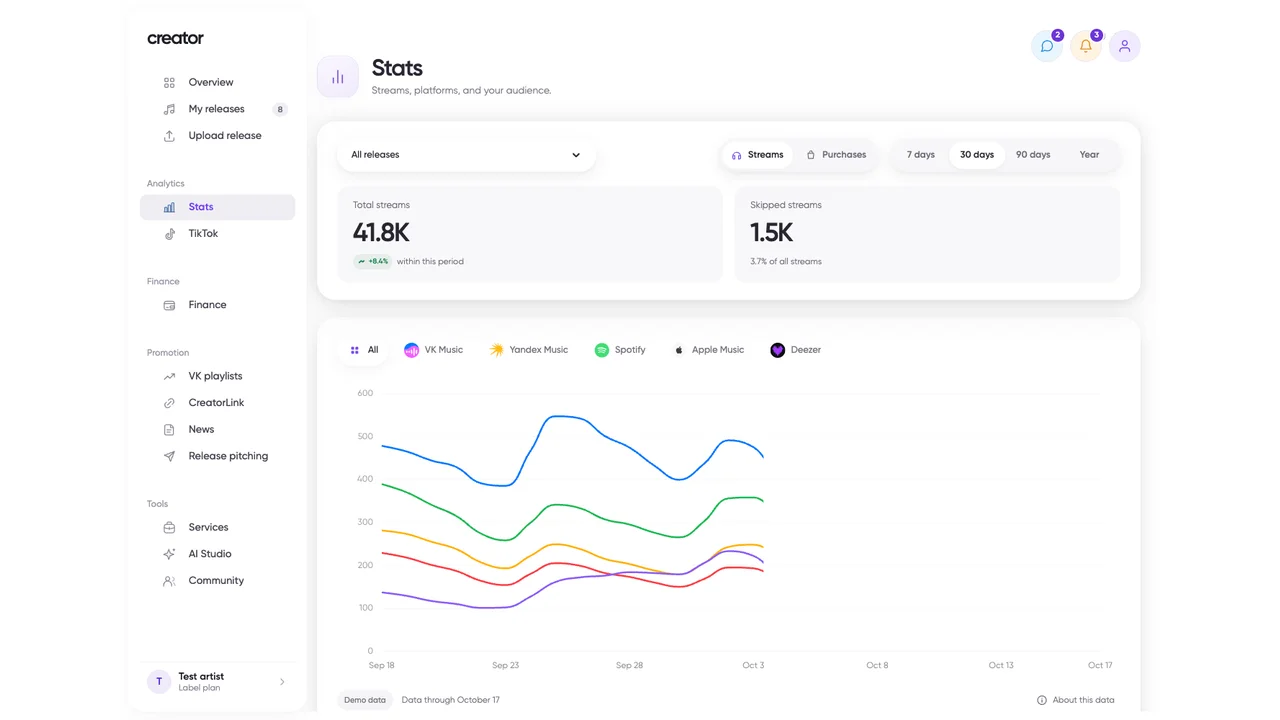
Someone else’s per-stream figure won’t fit your catalog. Listener countries, subscription types and reporting periods differ. Use your own reports and forecast a range, rather than an exact sum.
Streams typically take 2–3 months to turn into credited earnings because platforms report to distributors with a delay. See our guides to royalties and Yandex Music payouts for a fuller explanation.
What earns money at each stage
Income opportunities develop with your audience. Making merchandise before you have listeners can waste money; ignoring donations from an engaged fanbase leaves an opportunity unused.
- Streaming royalties
- Services: beats, mixing and features
- Regular releases for recommendation systems
- Donations on Yandex Music
- Fan subscriptions
- Your first shows
- Concerts and club dates
- Songwriting royalties from broadcasts
- Sync: advertising and video
- Tours and festivals
- Merchandise and collaborations
- Licenses for games and film
Platform recommendations offer a short route between stages. Our My Vibe and Nitro guide explains the options on Yandex Music, a major Russian streaming service.
Yandex Music donations in six steps
The Donate button appears on the artist profile. AI commentary in the updated My Vibe personalized radio can also suggest supporting an artist, putting the option in front of people hearing your music for the first time.
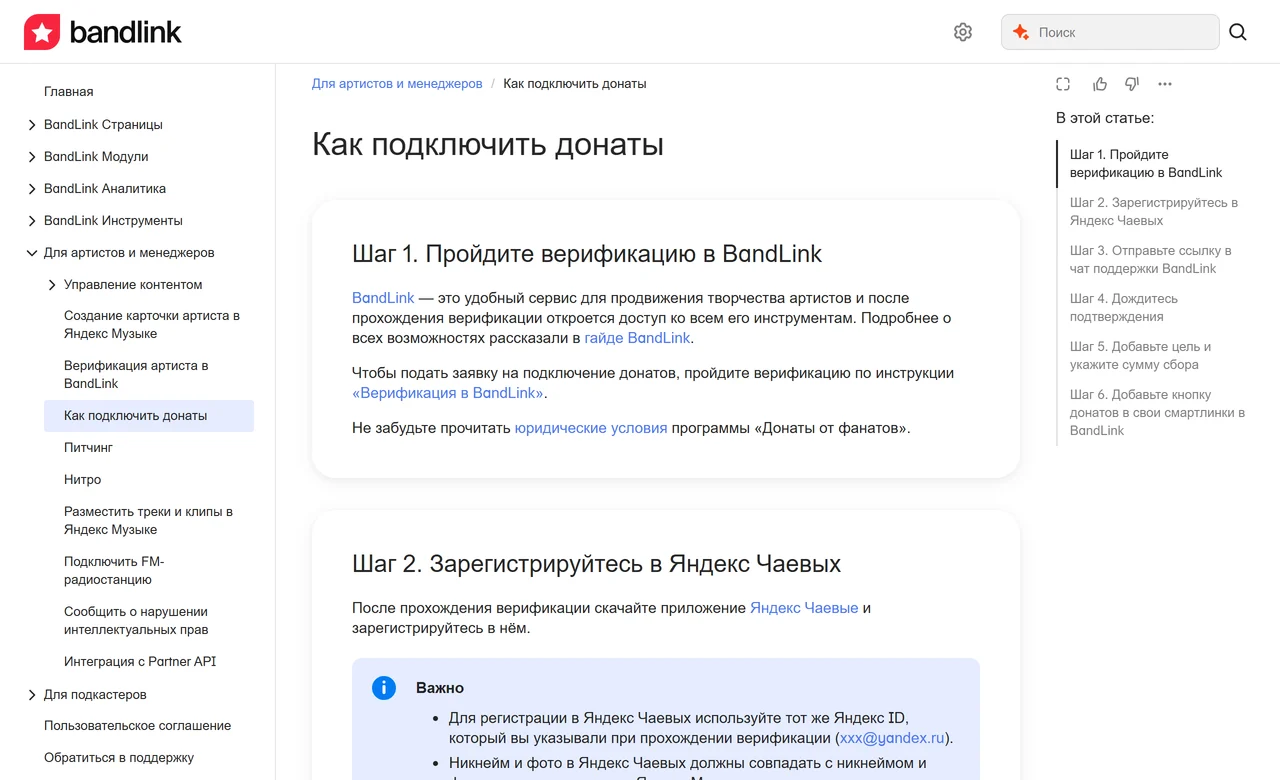
The conditions are strict: only the artist can apply, and if one BandLink account manages several artists, donations can be enabled for only one. For fan subscriptions in Russia, platforms such as Boosty let you sell access to demos, behind-the-scenes material and lessons.
RAO and VOIS: royalties for radio and public performance
When your song plays on radio, television, in a café or at someone else’s concert, that use can generate remuneration too. In Russia, collecting societies administer different layers of rights:
- For composers and lyricists
- Collects public performance royalties from concerts, venues and events
- Also covers radio and TV broadcasts
- Register works through the rights holder dashboard
- For performers and sound recording producers
- Pays for public performances and broadcasts of recordings, rather than sheet music or lyrics
- Separate terms for small catalogs owned by individuals and sole proprietors
- Register rights and view remuneration online
Streaming royalties pass through your distributor separately from these payments. If you are the songwriter, performer and recording owner, you hold rights on both sides. Our music copyright guide explains what is protected and how to document it.
Taxes: Russia’s self-employed regime for musicians
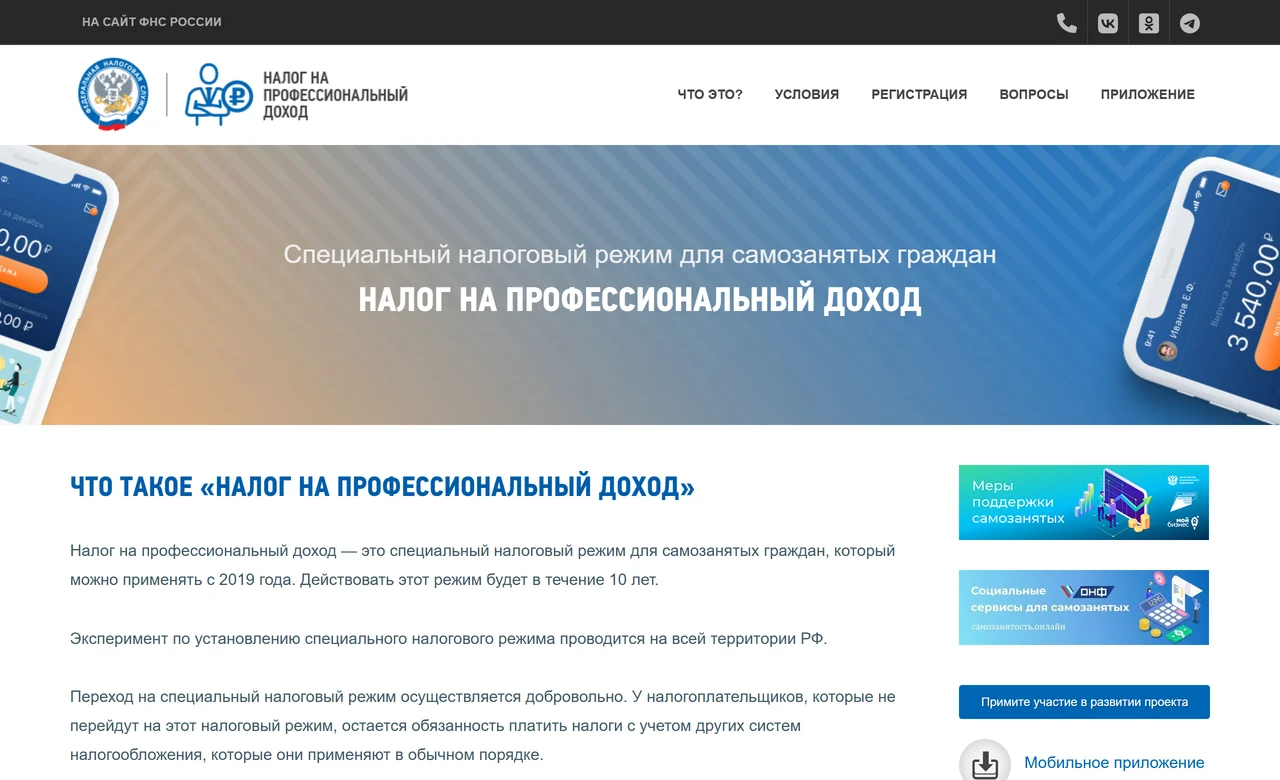
Music earnings are income and must be declared. For many artists in Russia, a straightforward option is Professional Income Tax (NPD), commonly called self-employed status. Register in the My Tax app, issue receipts there, and there are no tax returns under this regime.
The right tax regime depends on your circumstances, including income, other work and sole proprietor status. Check your choice with an accountant; this article does not replace a consultation.